
CONTACT
Welcome to consult Providing quality services Tel(whats app):008618747138212 E-mail:bashiker@hotmail.com Wechat:tianshuai91
More contactsGround Anchor (Ground Bolt) Applications
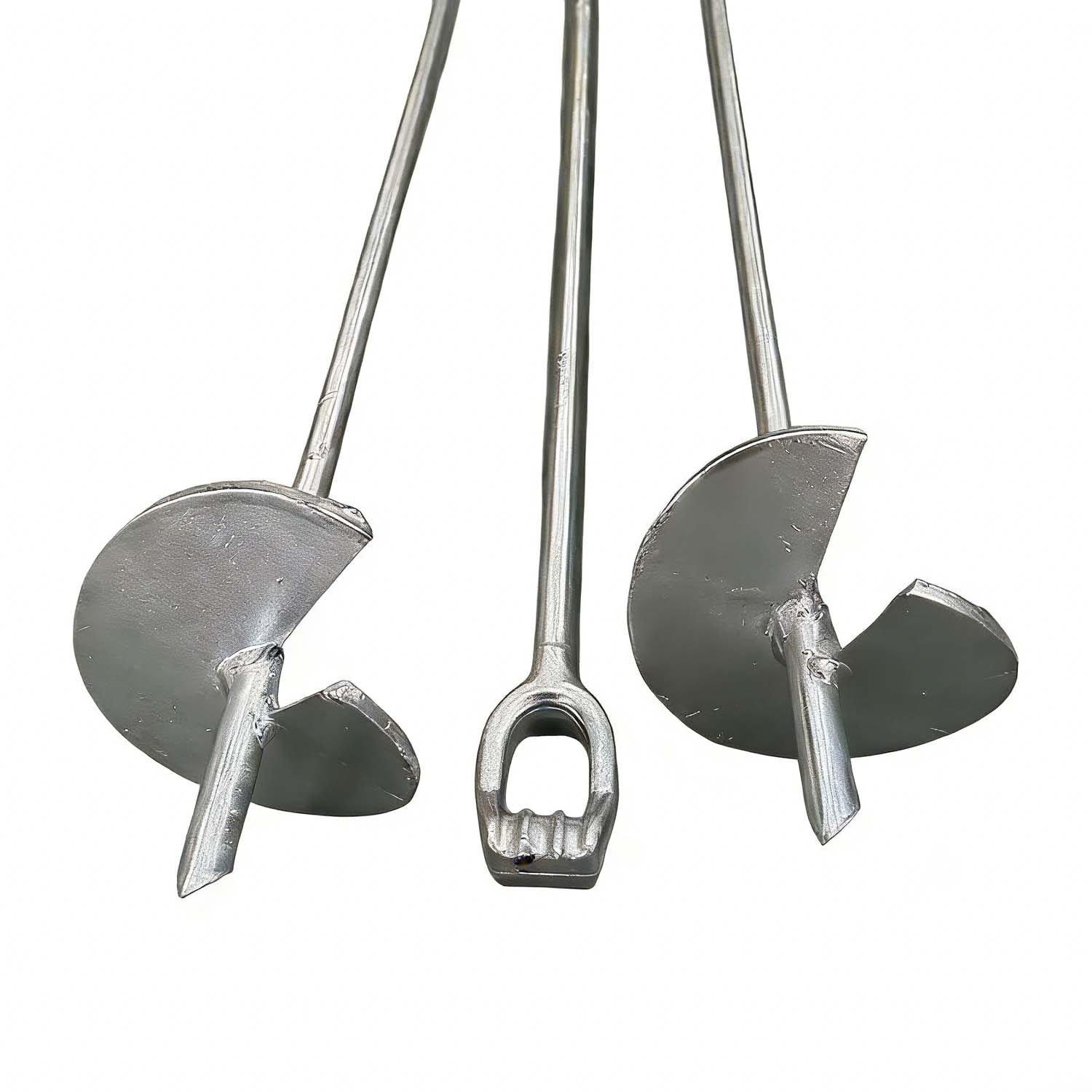
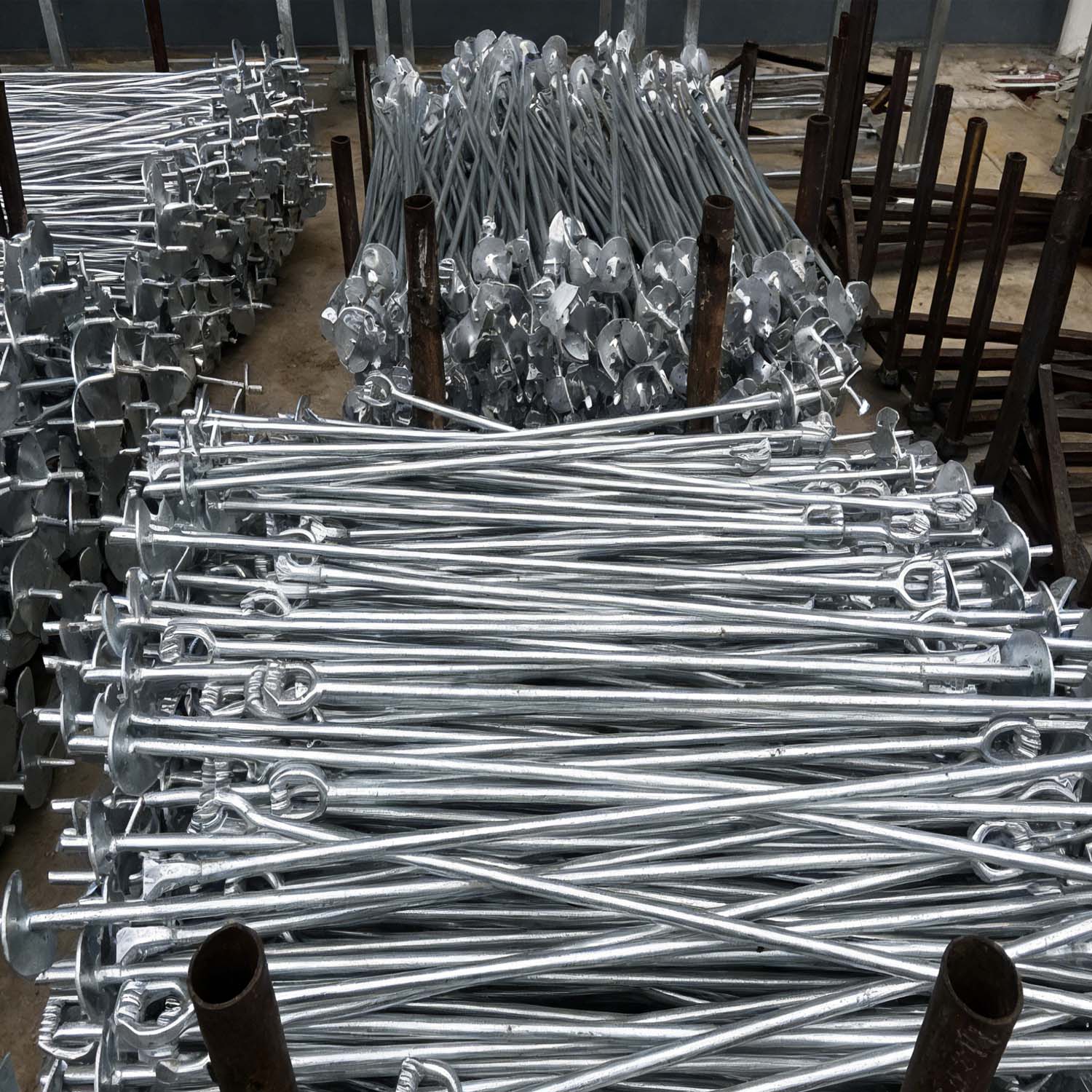
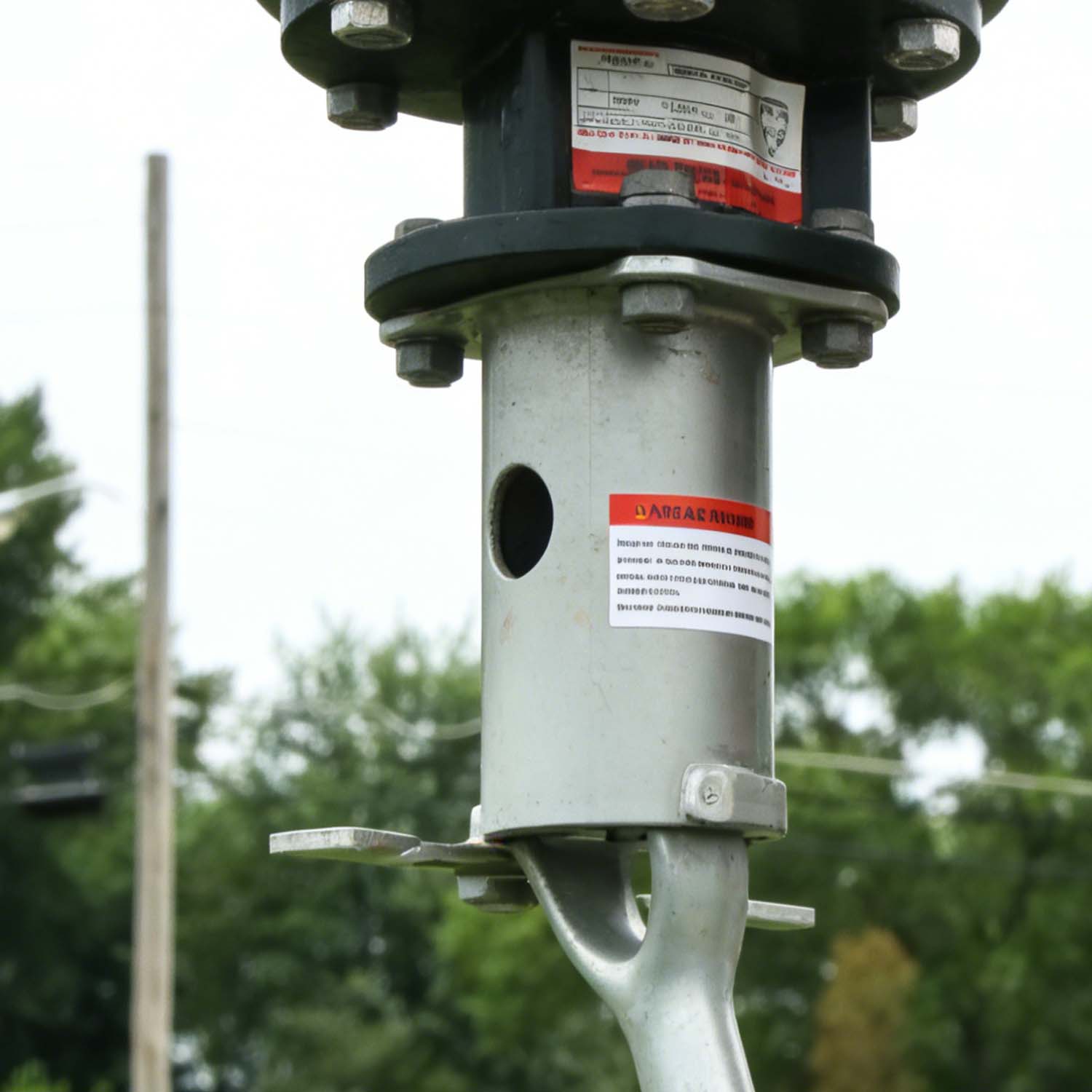
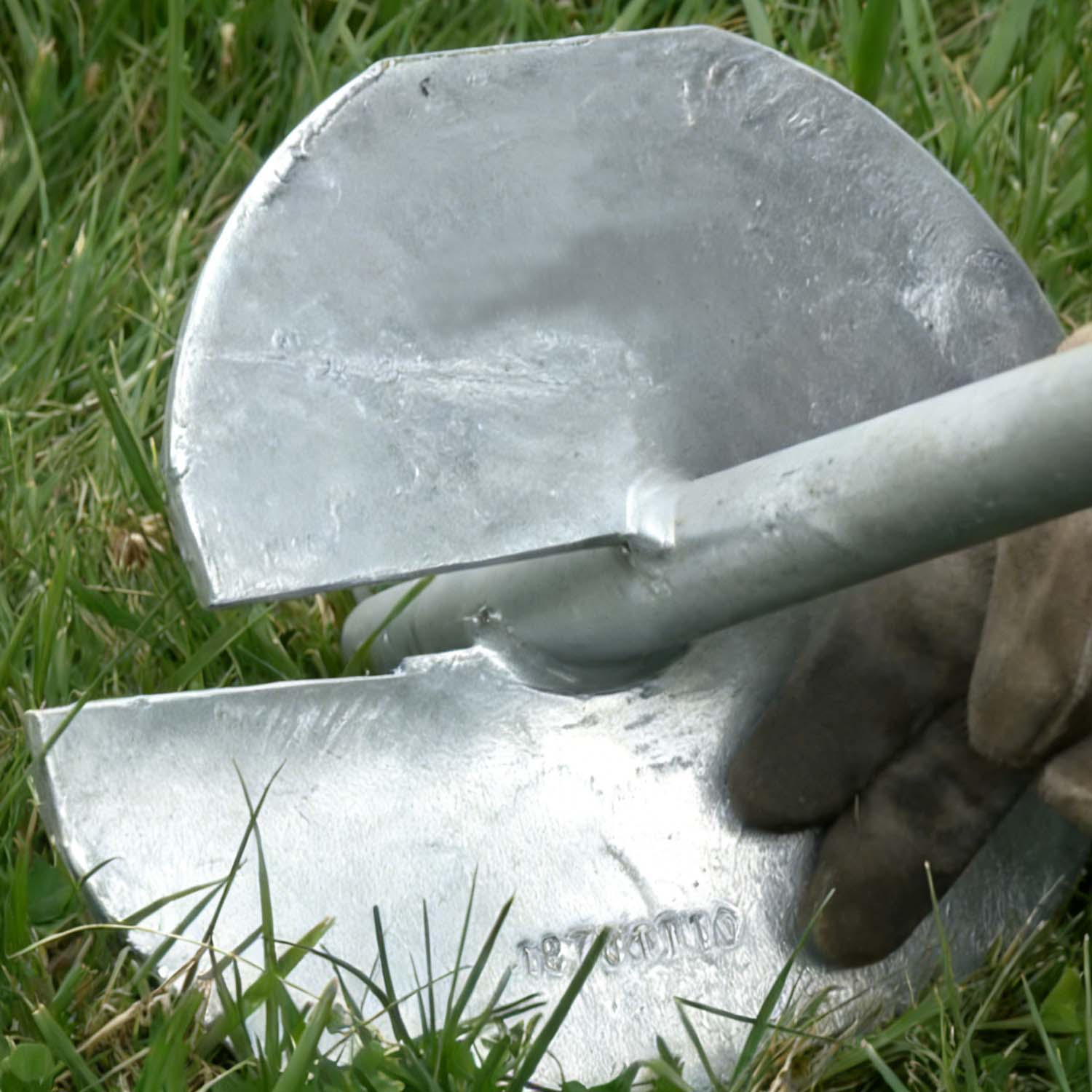
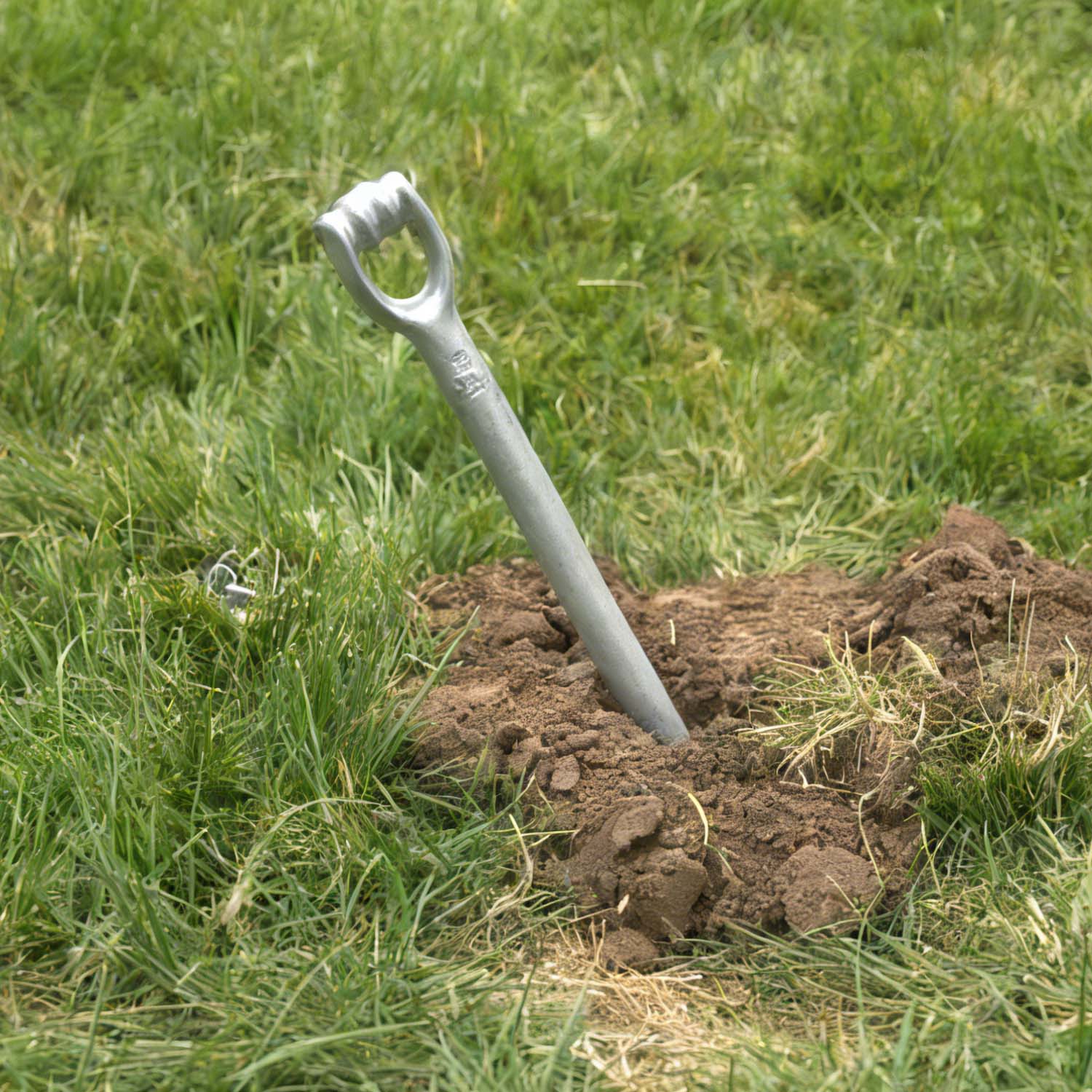
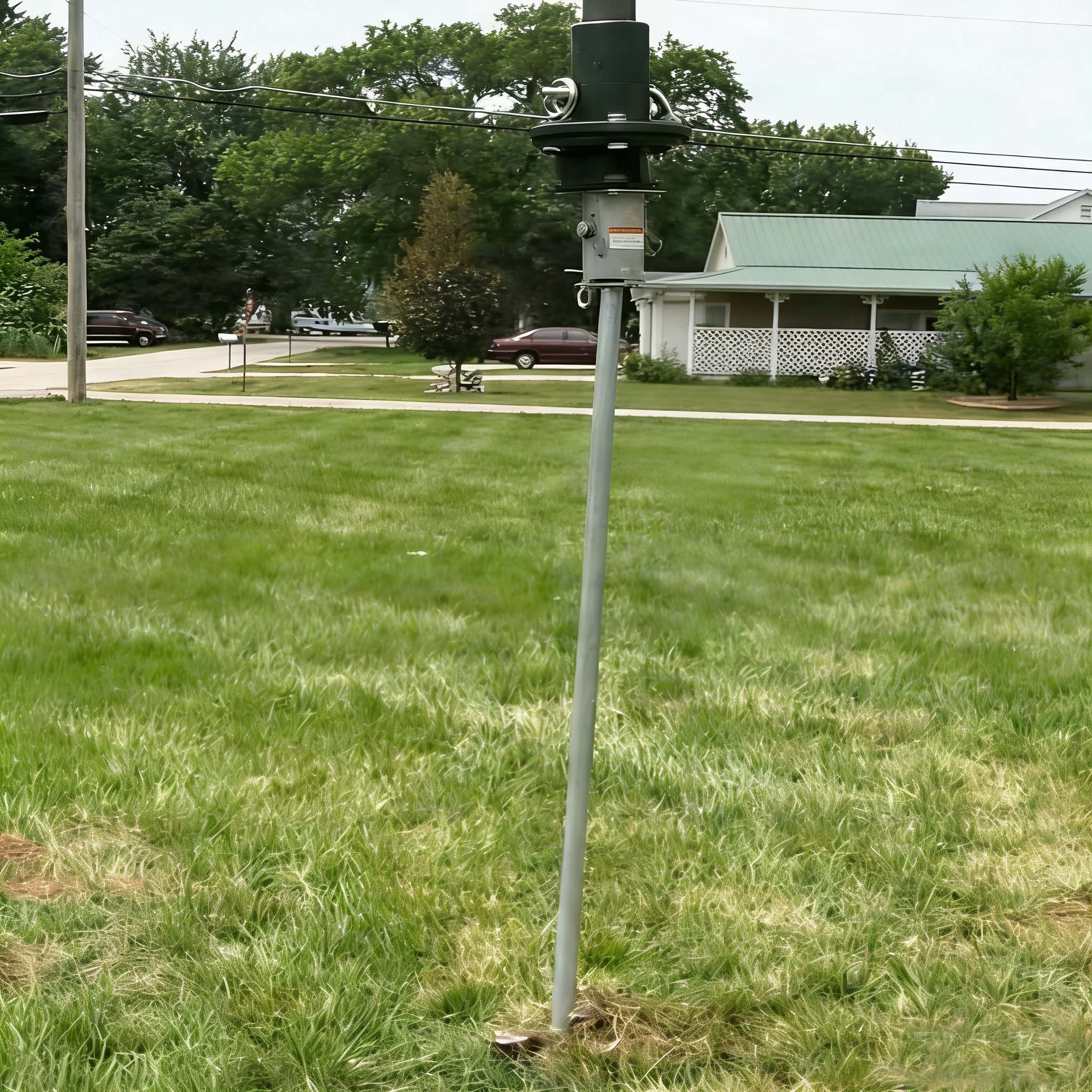
Ground anchors (also called earth anchors, ground bolts, or tiebacks) are geotechnical engineering components designed to transfer tensile loads from structures to stable soil/rock layers. They are widely used in civil engineering, construction, and infrastructure projects to provide lateral/vertical stability. Below is a detailed, industry-focused overview of their applications, including technical scenarios, typical use cases, and key considerations—tailored for your business in construction materials (e.g., metal/steel anchors, geosynthetic accessories) and international project collaborations.
Ground anchors work by:
Drilling a borehole into soil/rock.
Inserting a tensile element (steel bar, strand, or fiber-reinforced polymer).
Grouting the borehole to bond the anchor to the stable ground.
Tensioning and locking the anchor to resist structural movements (e.g., sliding, overturning).
Key Materials: High-strength steel (common for industrial projects), stainless steel (corrosion-resistant environments), or FRP (fiber-reinforced polymer, lightweight/non-corrosive).
Major Application Fields & Use Cases:
Natural slopes, cut slopes (highways/railways), or embankments at risk of landslides.
Retaining walls (cantilever, sheet pile, or diaphragm walls) for deep excavations or urban construction.
Typical Projects: Highway/railway slope reinforcement: Anchors prevent soil erosion and slope failure in mountainous areas. For example, the Himalayan
Material Requirements:
Steel anchors: Grade 460/500 MPa high-strength rebar or PC steel strand (15.2mm diameter, 7-wire structure).
Corrosion protection: Hot-dip galvanizing, epoxy coating, or double-corrosion protection (galvanizing + grouting) for wet/coastal environments.
Technical Standards:
EN 1537 (European): Design, installation, and testing of ground anchors.
ACI 318 (American): Reinforced concrete design with ground anchor provisions.
GB 50007 (Chinese): Code for design of building foundations (anchor design specifications).
Specification
|
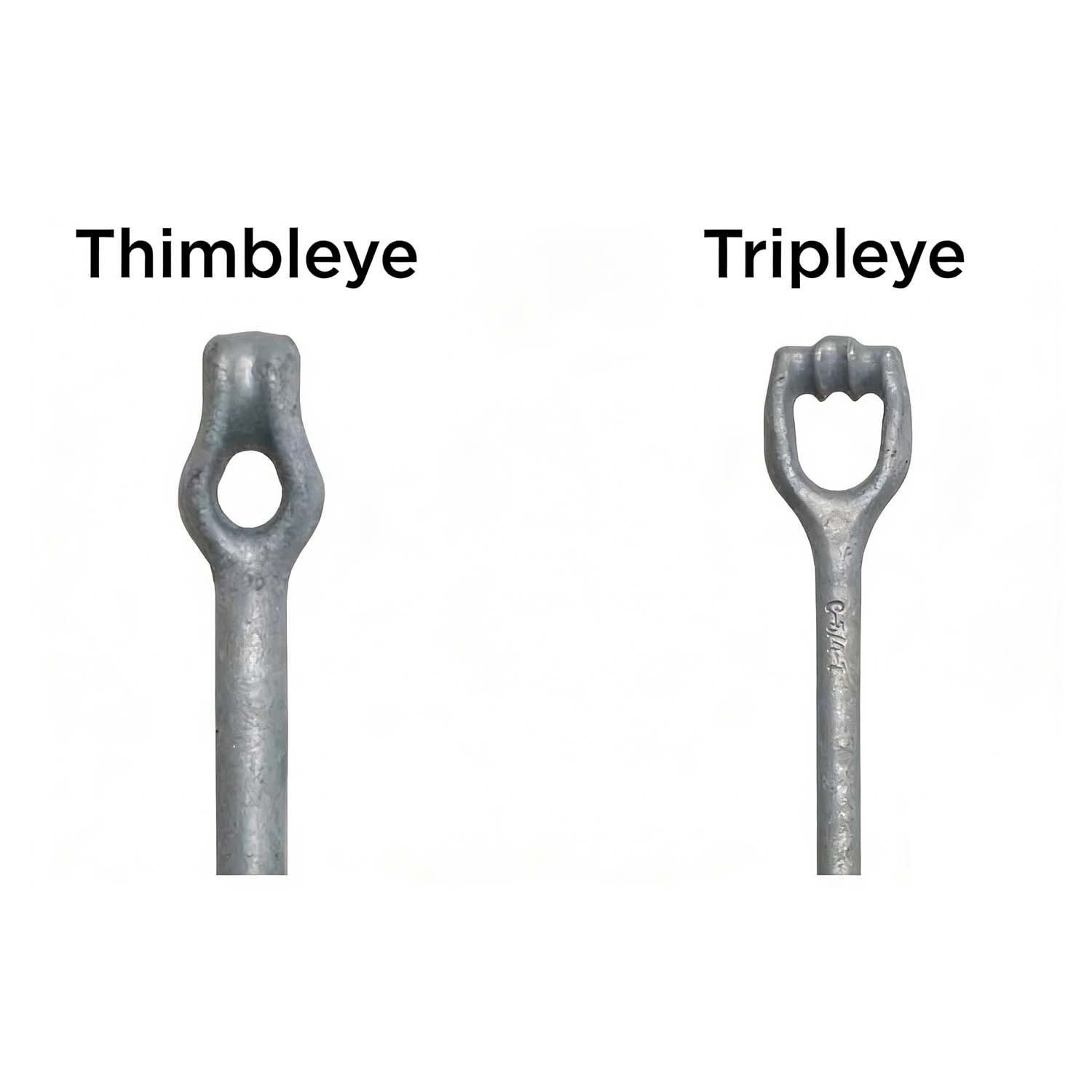
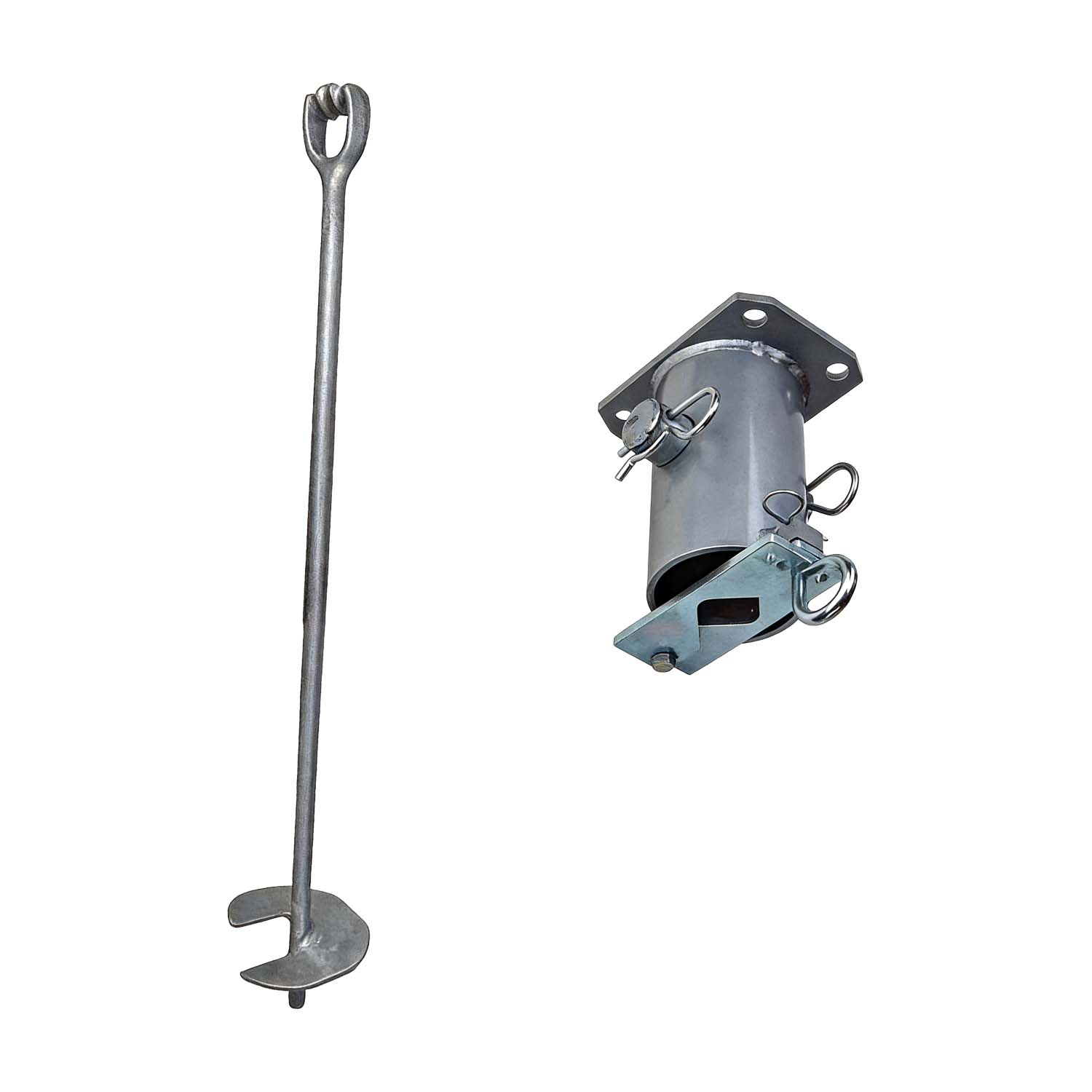
Anchor, No Wrench, 10in x 66in Tripleye
Torque Rating 2300 ft-lbs |
|
|
Anchor Helix Diameter(s)
|
10 in
|
|
Dimensions
|
66.000 in x 10.000 in x 10.000 in
|
|
Height
|
10 in
|
|
Length
|
66 in
|
|
Rod Diameter
|
1.25 in
|
|
Weight
|
30.38 lb
|
|
Width
|
10 in
|
|
Anchor, No Wrench, 10in x 96in Tripleye
Torque Rating 2300 ft-lbs |
|
|
Anchor Helix Diameter(s)
|
10 in
|
|
Dimensions
|
96.000 in x 14.000 in x 14.000 in
|
|
Height
|
14 in
|
|
Length
|
96 in
|
|
Rod Diameter
|
1.25 in
|
|
Weight
|
42.14 lb
|
|
Width
|
14 in
|
|
Anchor, No Wrench, 14in x 96in Tripleye
Torque Rating 2300 ft-lbs |
|
|
Anchor Helix Diameter(s)
|
14 in
|
|
Dimensions
|
96.000 in x 14.000 in x 14.000 in
|
|
Height
|
14 in
|
|
Length
|
96 in
|
|
Rod Diameter
|
1.25 in
|
|
Weight
|
54.635 lb
|
|
Width
|
14 in
|
|
Anchor, No Wrench, 15in x 96in Tripleye
Torque Rating 2300 ft-lbs |
|
|
Anchor Helix Diameter(s)
|
15 in
|
|
Dimensions
|
96.000 in x 15.000 in x 15.000 in
|
|
Height
|
15 in
|
|
Length
|
96 in
|
|
Rod Diameter
|
1.25 in
|
|
Weight
|
43 lb
|
|
Width
|
15 in
|
|
Anchor, No Wrench, 6in x 66in Thimbleye
Torque Rating 400 ft-lbs |
|
|
Anchor Helix Diameter(s)
|
6 in
|
|
Dimensions
|
66.000 in x 6.000 in x 6.000 in
|
|
Height
|
6 in
|
|
Length
|
66 in
|
|
Rod Diameter
|
0.75 in
|
|
Weight
|
10 lb
|
|
Width
|
6 in
|
|
Anchor, No Wrench, 8in x 66in Thimbleye
Torque Rating 400 ft-lbs |
|
|
Anchor Helix Diameter(s)
|
8 in
|
|
Dimensions
|
66.000 in x 8.000 in x 8.000 in
|
|
Height
|
8 in
|
|
Length
|
66 in
|
|
Rod Diameter
|
1 in
|
|
Weight
|
19 lb
|
|
Width
|
8 in
|
|
Anchor, No Wrench, 8in x 66in Tripleye
|
|
|
Torque Rating 1000 ft-lbs ;Anchor Helix Diameter(s) 8 in;Dimensions 66.000 in x 8.000 in x 8.000 in;Height 8 in;Length 66 in;Rod Diameter 1 in;Weight 21.031 lb;Width 8 in
|
|