
PILE FOUNDATION
CONTACT
Welcome to consult Providing quality services Tel(whats app):008618747138212 E-mail:bashiker@hotmail.com Wechat:tianshuai91
More contacts
Push-Pier Application Detailed Description
1. Core Primary Application Scenario: Existing Building Foundation Settlement Repair
This is the most common and core application of push-piers, accounting for over 80% of their practical use. It targets buildings with structural damage caused by foundation settlement due to geological, environmental, or design/construction defects.
2. Key Settlement Causes Addressed
Expansive soil heave/shrinkage (the top cause in North America, Europe, and Asia's clay-rich regions);
Compression of soft clay, silty soil, or loose fill soil in the surface layer;
Soil erosion/subsidence due to underground water seepage, broken pipelines, or improper excavation;
Inadequate original foundation design (e.g., shallow foundation depth, insufficient bearing capacity);
Additional load on the building (e.g., floor addition, equipment installation) exceeds the original foundation's capacity.
3. Specific Structural Problems Resolved by Push-Pier Application
Vertical/horizontal cracking of foundation walls (concrete/masonry);
Uneven floors, sloped concrete slabs, and cracked tile/wood flooring;
Jammed doors/windows (due to frame deformation from structural settlement);
Separation of the foundation from the superstructure (gap formation);
Cracking of exterior brick veneer, chimney tilting, and stair-step settlement.
4. Application Key Points for Settlement Repair
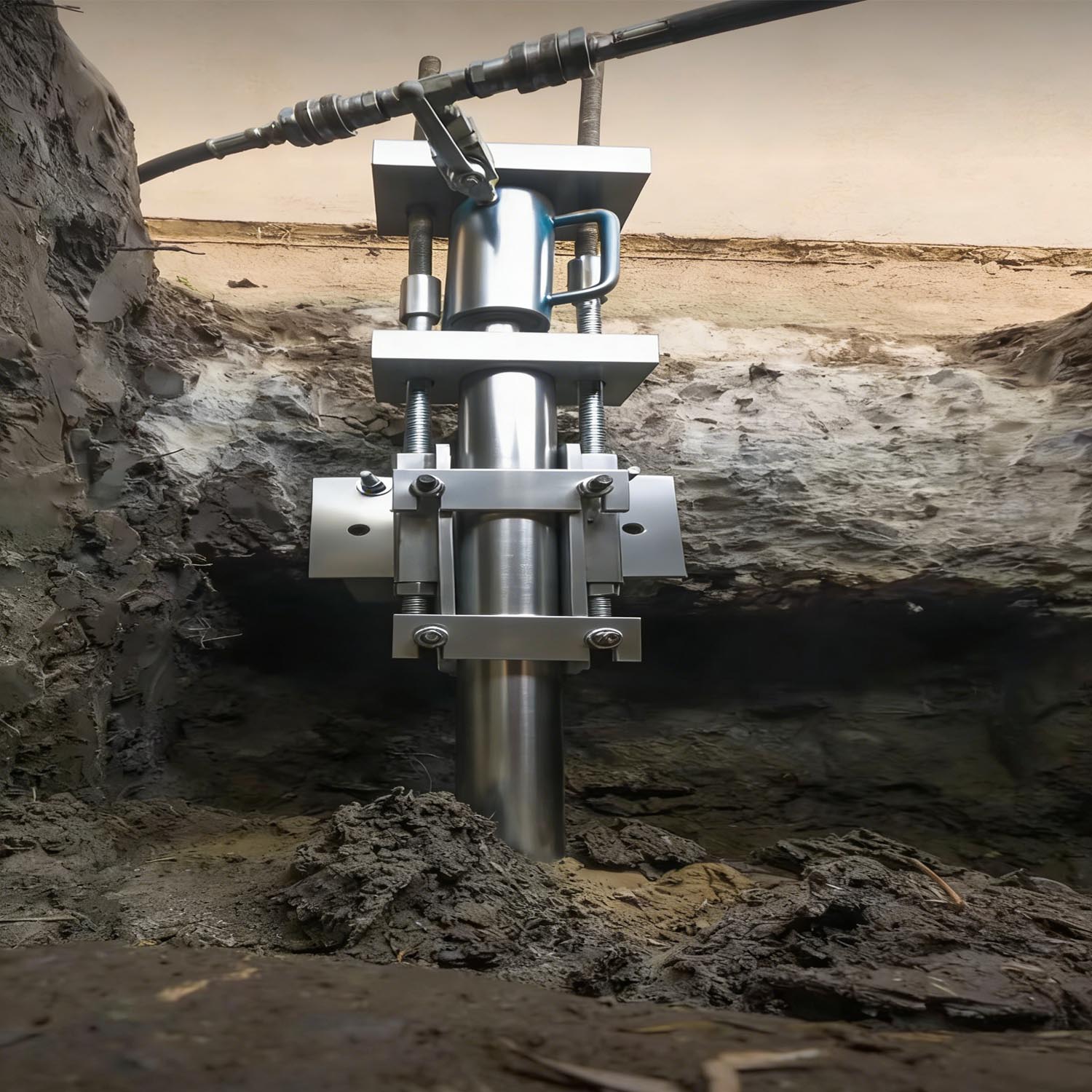
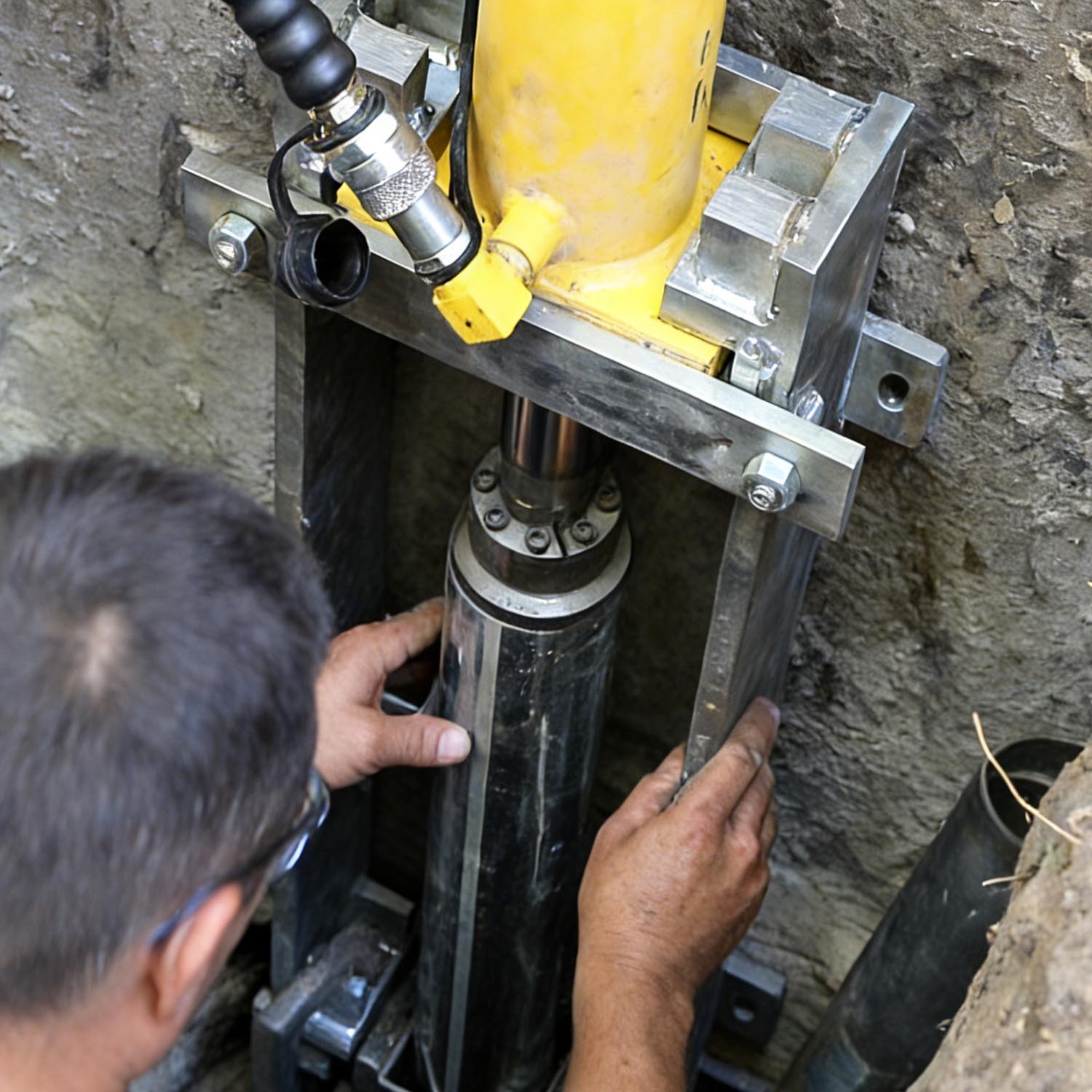
Push-piers are installed along the damaged foundation perimeter or under load-bearing columns; after the piers reach the competent stratum (verified via refusal testing), the foundation is graded hydraulically lifted (0.5–1mm per lift) to correct minor settlement and close structural cracks (avoiding secondary damage from rapid lifting). The piers then permanently bear the building's load, preventing further settlement.
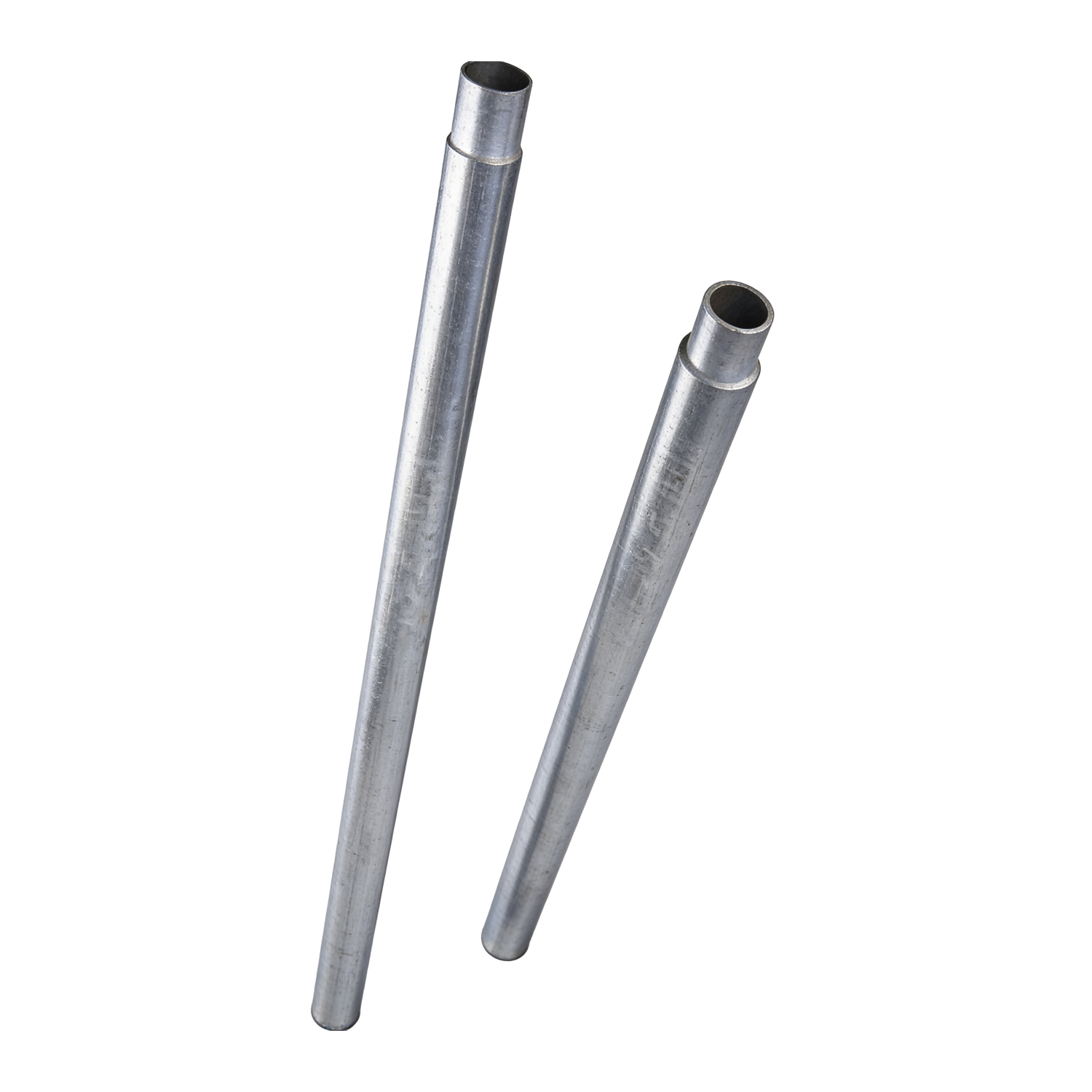
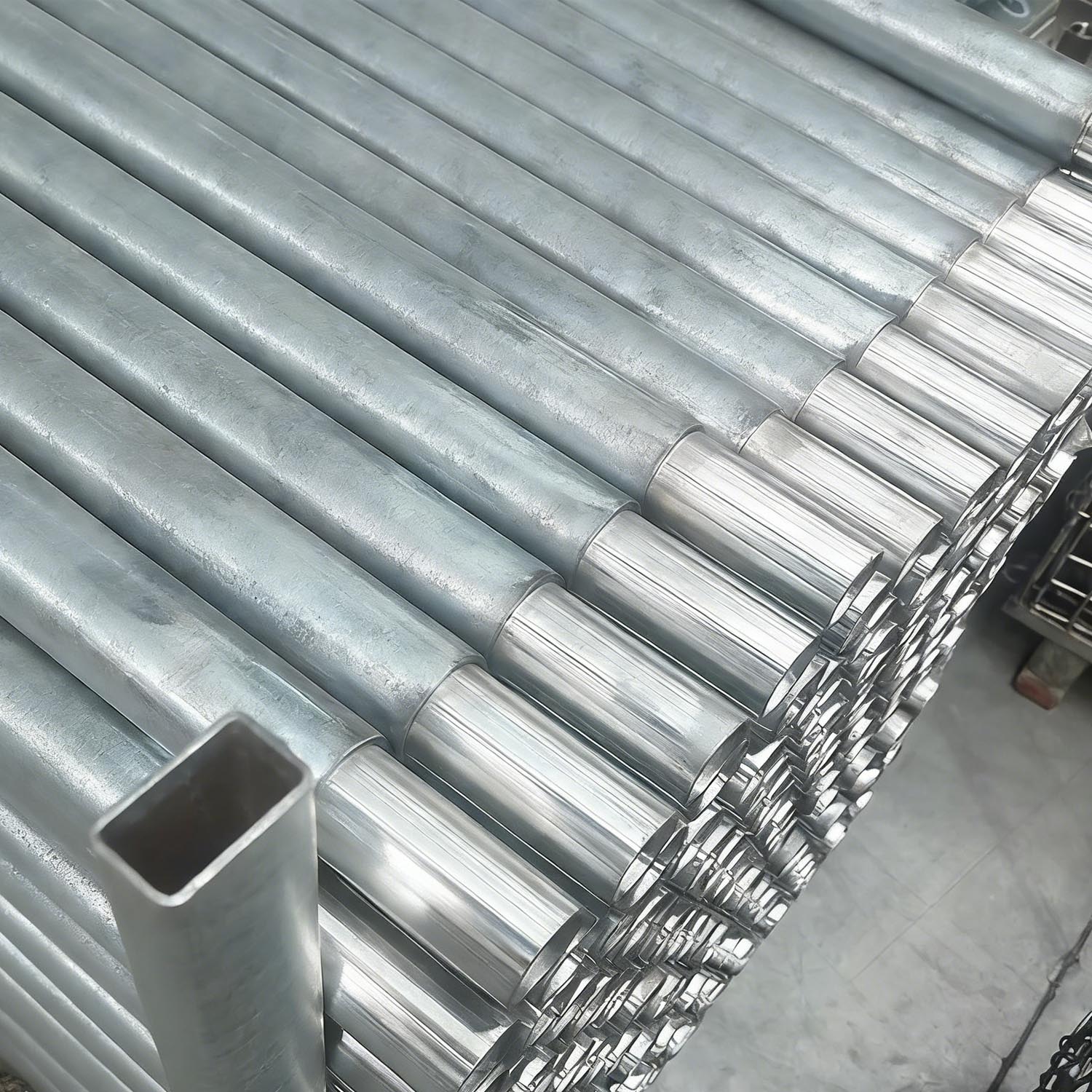
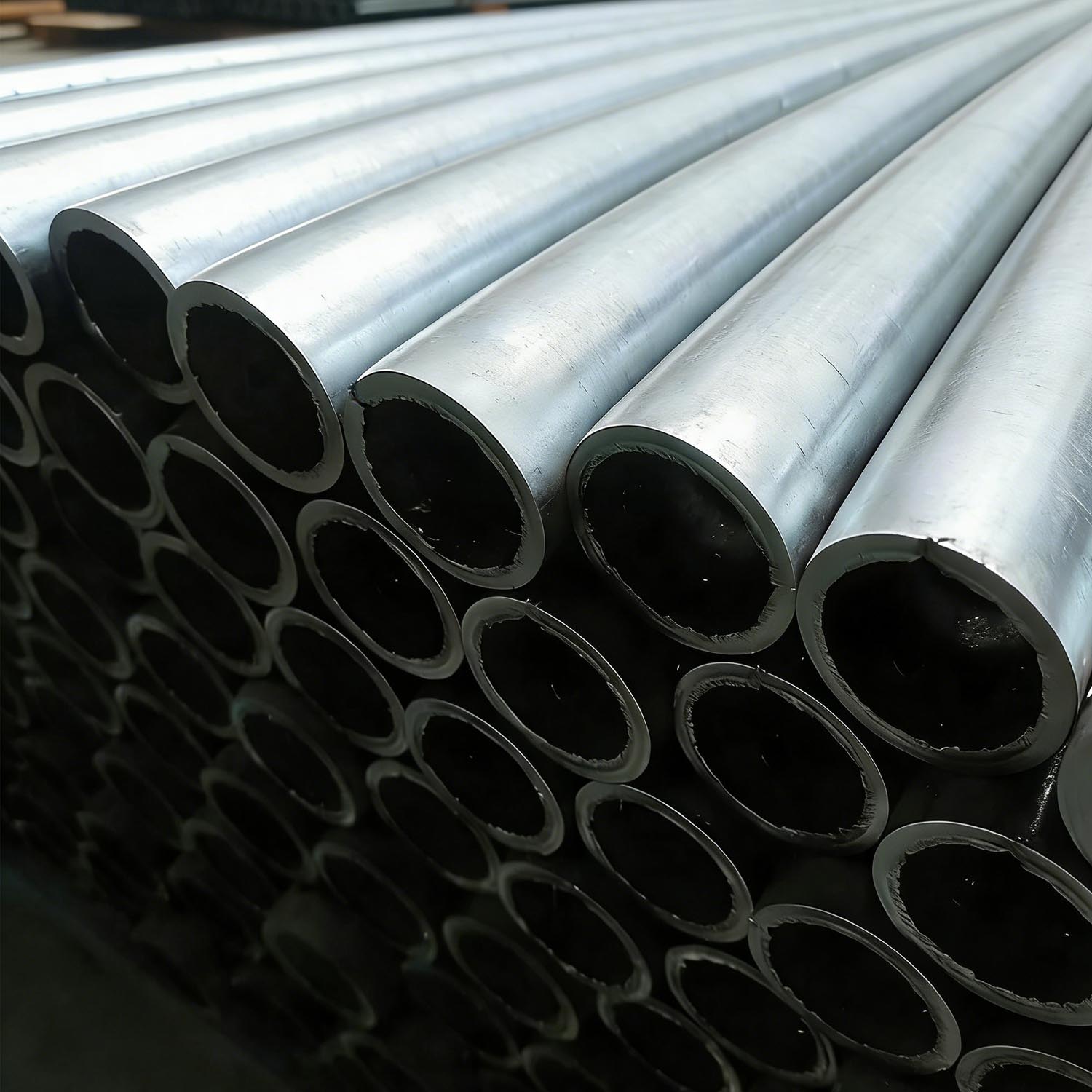
Specification:
|
Primary Diameter Specifications (Most Common Global Standards)
|
||||
|
Standard Diameter (Imperial)
|
Metric Equivalent
|
Wall Thickness (Nominal)
|
Pipe Schedule
|
Typical Application
|
|
2 7/8" (73 mm)
|
73 mm
|
0.217" (5.5 mm) – 0.276" (7.0 mm)
|
Schedule 40
|
Residential foundation repair, light commercial buildings
|
|
3 1/2" (89 mm)
|
89 mm
|
0.254" (6.5 mm) – 0.300" (7.6 mm)
|
Schedule 40/80
|
Medium-load commercial buildings, industrial slab foundations
|
|
4 1/2" (114 mm)
|
114 mm
|
0.310" (7.9 mm) – 0.375" (9.5 mm)
|
Schedule 80
|
Heavy industrial applications, group pile systems for column support
|
|
Section Length Standards
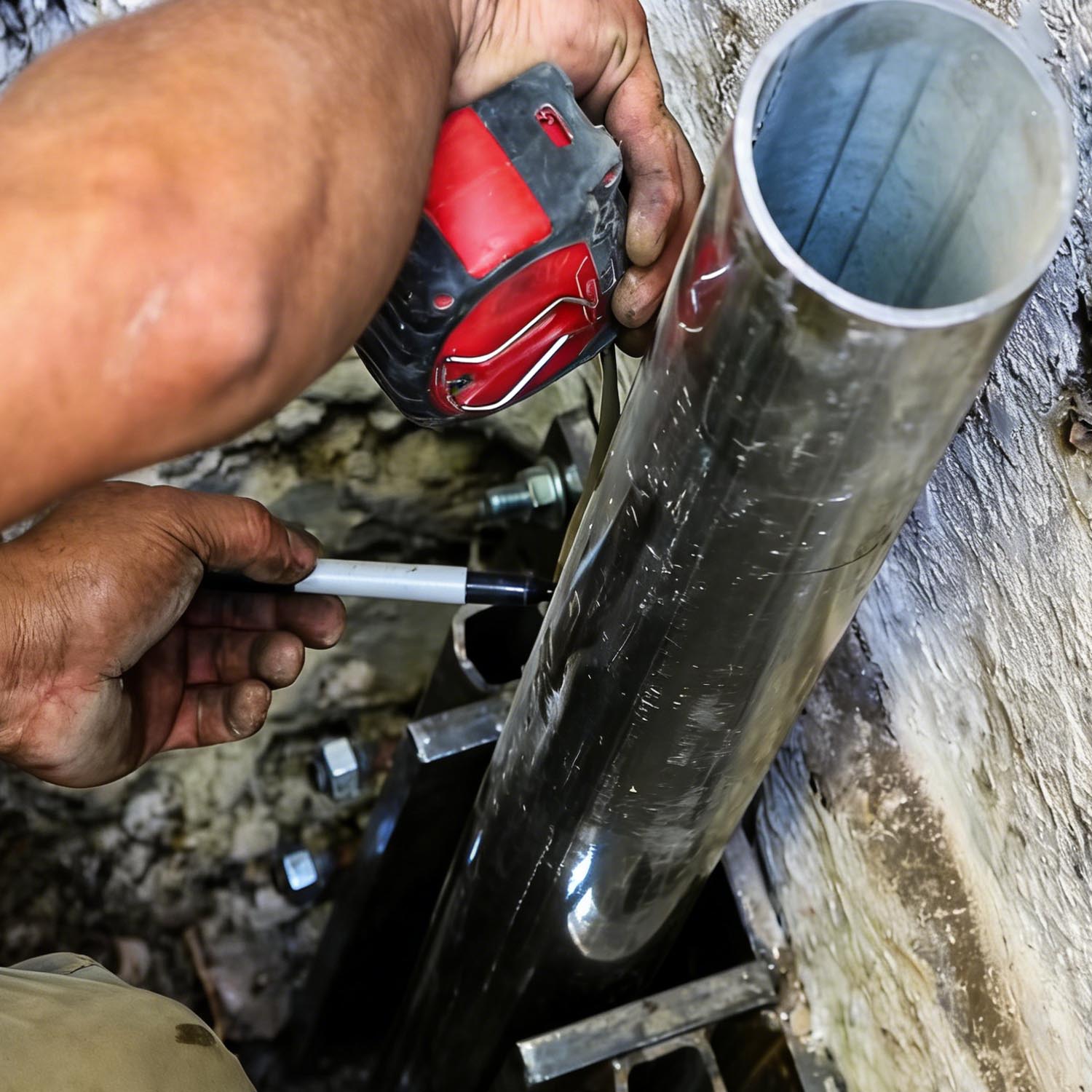
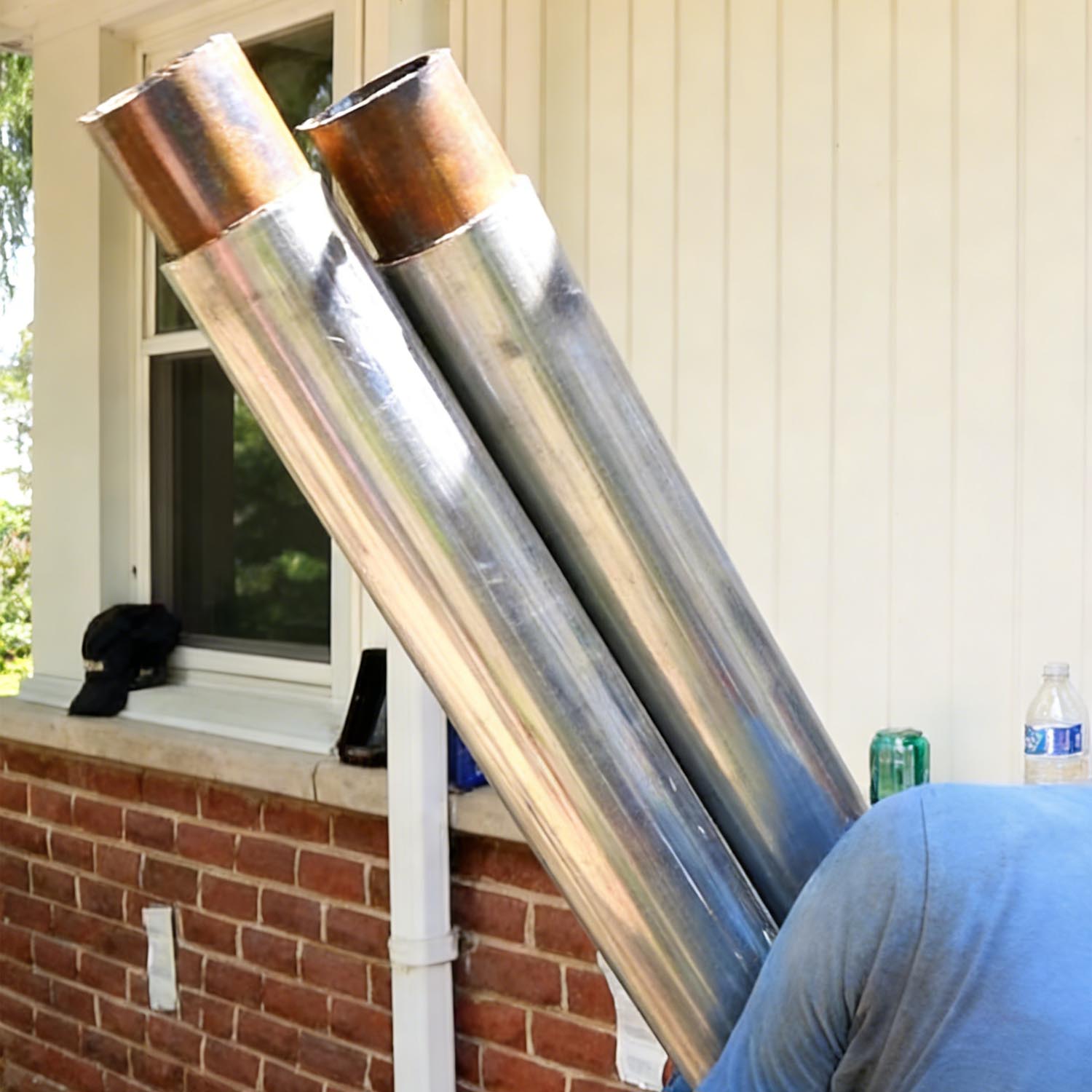
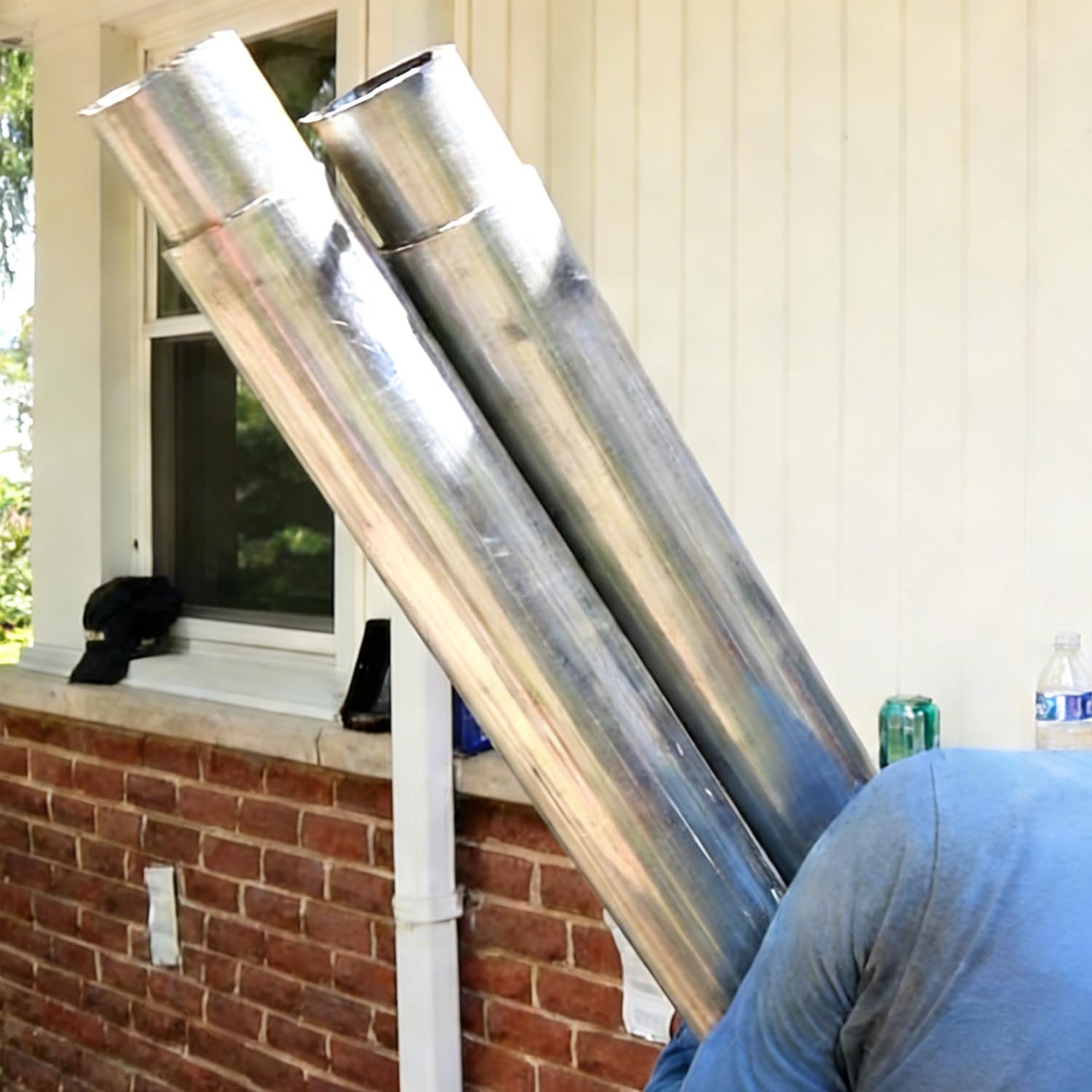
Residential standard: 1', 3', 5' (305 mm, 915 mm, 1524 mm) sections Commercial standard: 5', 7' (1524 mm, 2134 mm) sections Custom lengths: Available up to 10' (3048 mm) for special projects Connection overlap: Typically 12" (305 mm) for slip-fit connections, ensuring structural integrity |
||||
|
Primary Diameter Specifications (Most Common Global Standards)
|
||||
|
Standard Diameter (Imperial)
|
Metric Equivalent
|
Wall Thickness (Nominal)
|
Pipe Schedule
|
Typical Application
|
|
2 7/8" (73 mm)
|
73 mm
|
0.217" (5.5 mm) – 0.276" (7.0 mm)
|
Schedule 40
|
Residential foundation repair, light commercial buildings
|
|
3 1/2" (89 mm)
|
89 mm
|
0.254" (6.5 mm) – 0.300" (7.6 mm)
|
Schedule 40/80
|
Medium-load commercial buildings, industrial slab foundations
|
|
4 1/2" (114 mm)
|
114 mm
|
0.310" (7.9 mm) – 0.375" (9.5 mm)
|
Schedule 80
|
Heavy industrial applications, group pile systems for column support
|
|
Section Length Standards
Residential standard: 1', 3', 5' (305 mm, 915 mm, 1524 mm) sections Commercial standard: 5', 7' (1524 mm, 2134 mm) sections Custom lengths: Available up to 10' (3048 mm) for special projects Connection overlap: Typically 12" (305 mm) for slip-fit connections, ensuring structural integrity |
||||
|
Typical Load Capacity Ranges (By Diameter)
|
|||
|
Pier Diameter
|
Allowable Compression Capacity
|
Ultimate Load Capacity
|
Buckling Resistance
|
|
2 7/8" (73 mm)
|
20–40 tons (18–36 metric tons)
|
60–80 tons (54–73 metric tons)
|
Good (for short-to-medium lengths)
|
|
3 1/2" (89 mm)
|
40–60 tons (36–54 metric tons)
|
80–120 tons (73–109 metric tons)
|
Excellent (resists buckling in longer lengths)
|
|
4 1/2" (114 mm)
|
60–92 tons (54–83 metric tons)
|
120–180 tons (109–163 metric tons)
|
Superior (ideal for group pile systems)
|