
METAL PROCESSING
CONTACT
Welcome to consult Providing quality services Tel(whats app):008618747138212 E-mail:bashiker@hotmail.com Wechat:tianshuai91
More contacts
304 Stainless Steel Spiral Blade - Applications
304 stainless steel spiral blades are core components of screw conveyors, augers, and spiral feeders, valued for their corrosion resistance, food-grade compliance, moderate strength, and easy fabrication (weldable, formable). They are widely used across industrial, food, pharmaceutical.
1. Food & Beverage Industry (Core Application)
304 stainless steel is the de facto food-grade material (meets FDA, EU 10/2011 standards), making its spiral blades ideal for handling edible materials without contamination, rust, or chemical leaching.
2. Pharmaceutical & Nutraceutical Industry
Convey pharmaceutical powders (e.g., vitamin powders, antibiotic raw materials), granules, and small solid dosage forms (tablets, capsules) in production and packaging lines.
Transfer herbal extract powders, dietary supplement raw materials (e.g., protein powder, collagen powder) in nutraceutical plants.
Used in spiral feeders for precise dosing of raw materials in drug formulation processes.
3. Chemical & Light Industry (Non-Highly Corrosive Media)
Chemical Raw Materials: Convey urea, ammonium sulfate (agricultural chemicals), baking soda, citric acid, and organic pigment powders (non-abrasive).
Plastic & Rubber Industry: Move plastic pellets, resin powder, rubber compound additives (e.g., carbon black, stearic acid) in extrusion and injection molding production lines.
Cosmetics Industry: Transfer talcum powder, cosmetic base powders, fragrance powders, and skincare raw material granules in cosmetic manufacturing.
4. Environmental & Wastewater Treatment
Compost & Organic Waste: Move kitchen waste, garden waste, and compost materials in waste-to-fertilizer and organic waste treatment facilities.
Filter Cake Handling: Convey low-abrasive filter cake from solid-liquid separation processes (e.g., in food or light chemical wastewater treatment).
5. Building Materials & Construction (Limited Use for Non-Abrasive Materials)
304 stainless steel spiral blades are not recommended for abrasive construction materials (e.g., sand, gravel, cement—carbon steel or wear-resistant steel preferred), but are suitable for non-abrasive building material sub-sectors:
Standard pitch: P = D (equal to outer diameter)
Short pitch: P = 0.6D–0.8D (for inclined/vertical conveying)
Long pitch: P = 1.2D–1.3D (for bulk materials, preventing compaction)
Thickness: 3.5–8 mm for general use; 10–12 mm for heavy-duty
Auger Drill Blades:
Pitch: P = 0.8D–1.0D (optimized for soil removal)
Thickness: 5–12 mm (wear-resistant materials recommended)
Outer diameter: 150–600 mm (construction/geotechnical applications)
Shaftless Spiral Blades:
Material: S355JRG3 carbon steel, 304 stainless steel
Sizes: 280–630 mm outer diameter, 220–400 mm inner diameter
Section: 60×25 mm or 40×20 mm flat/square steel
Specification
|
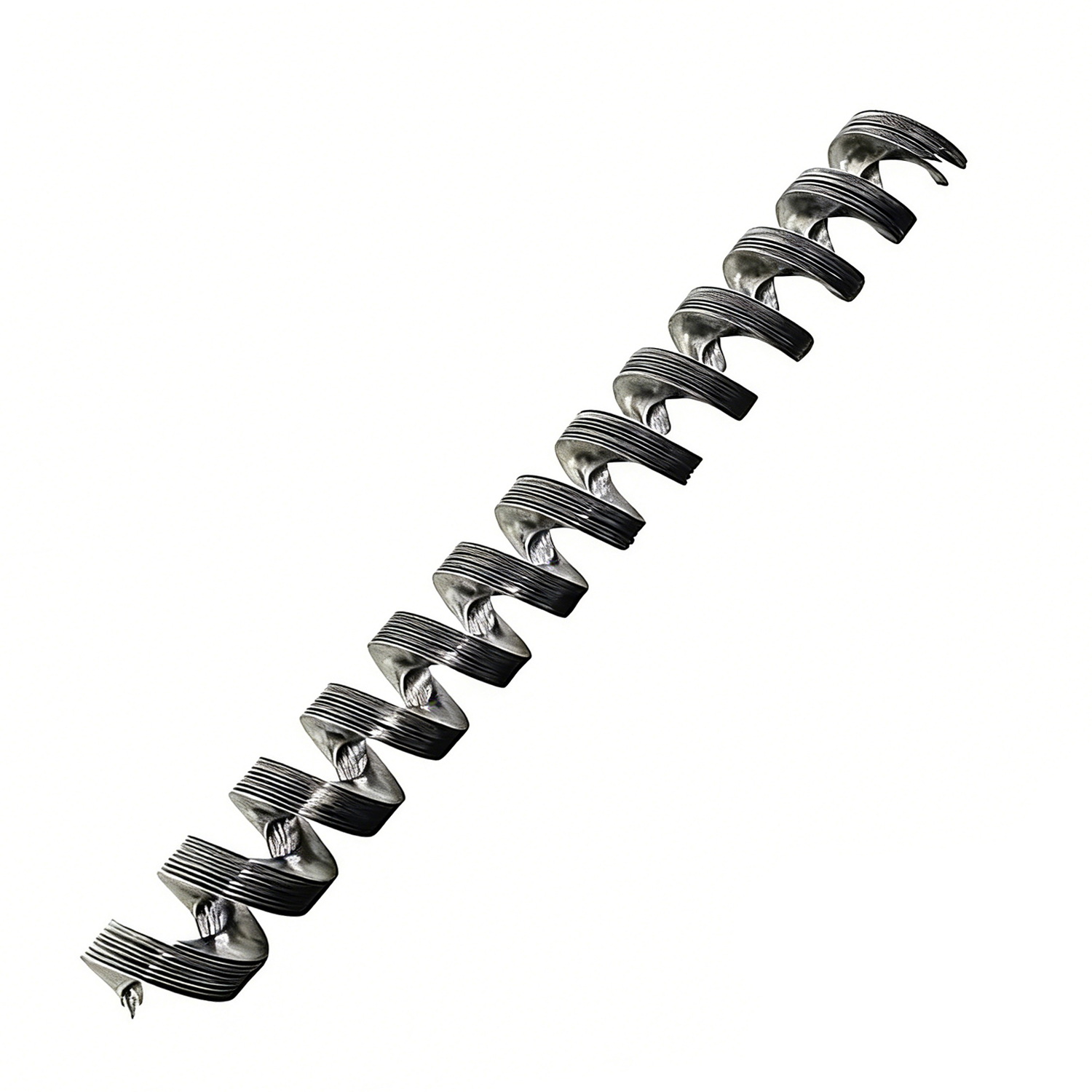
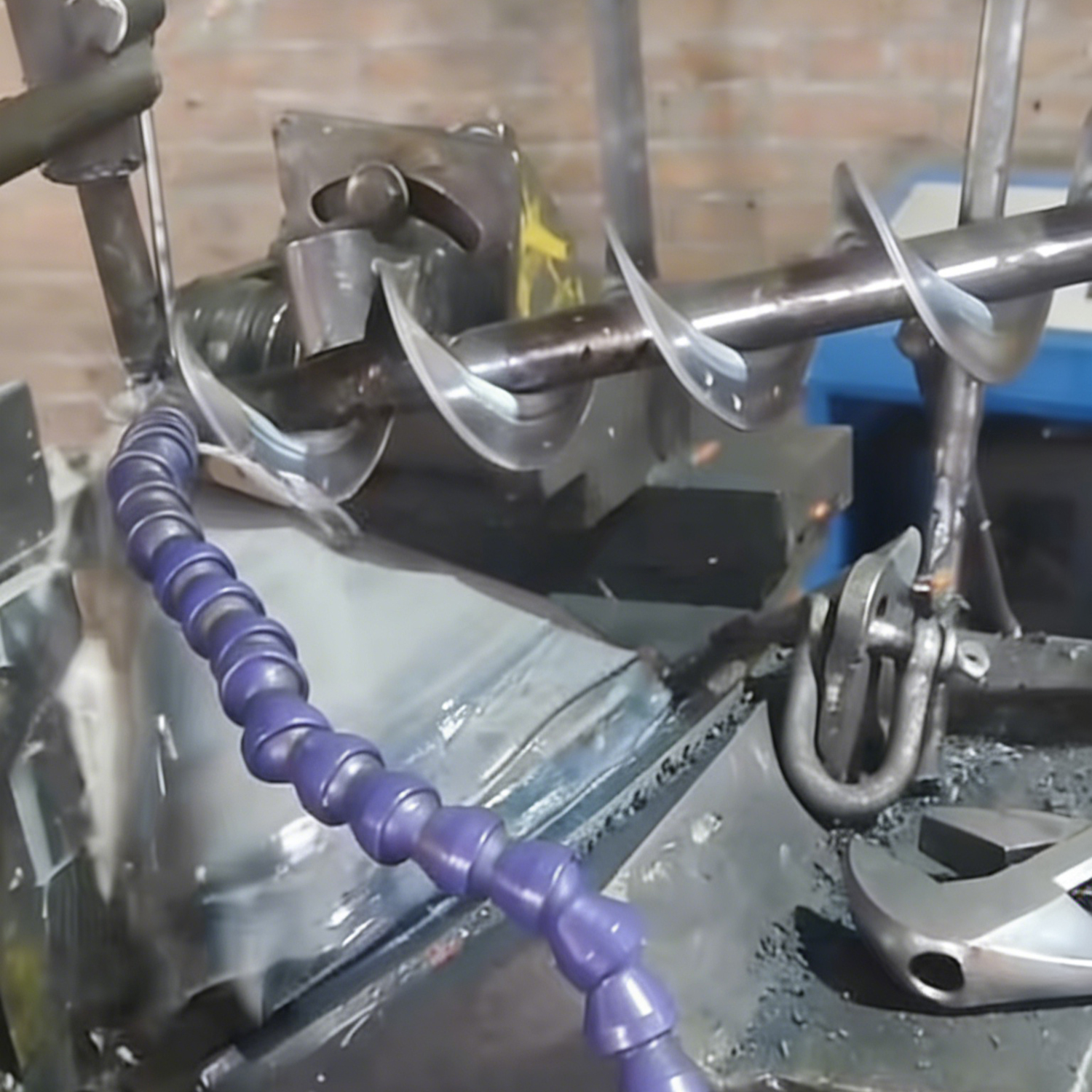
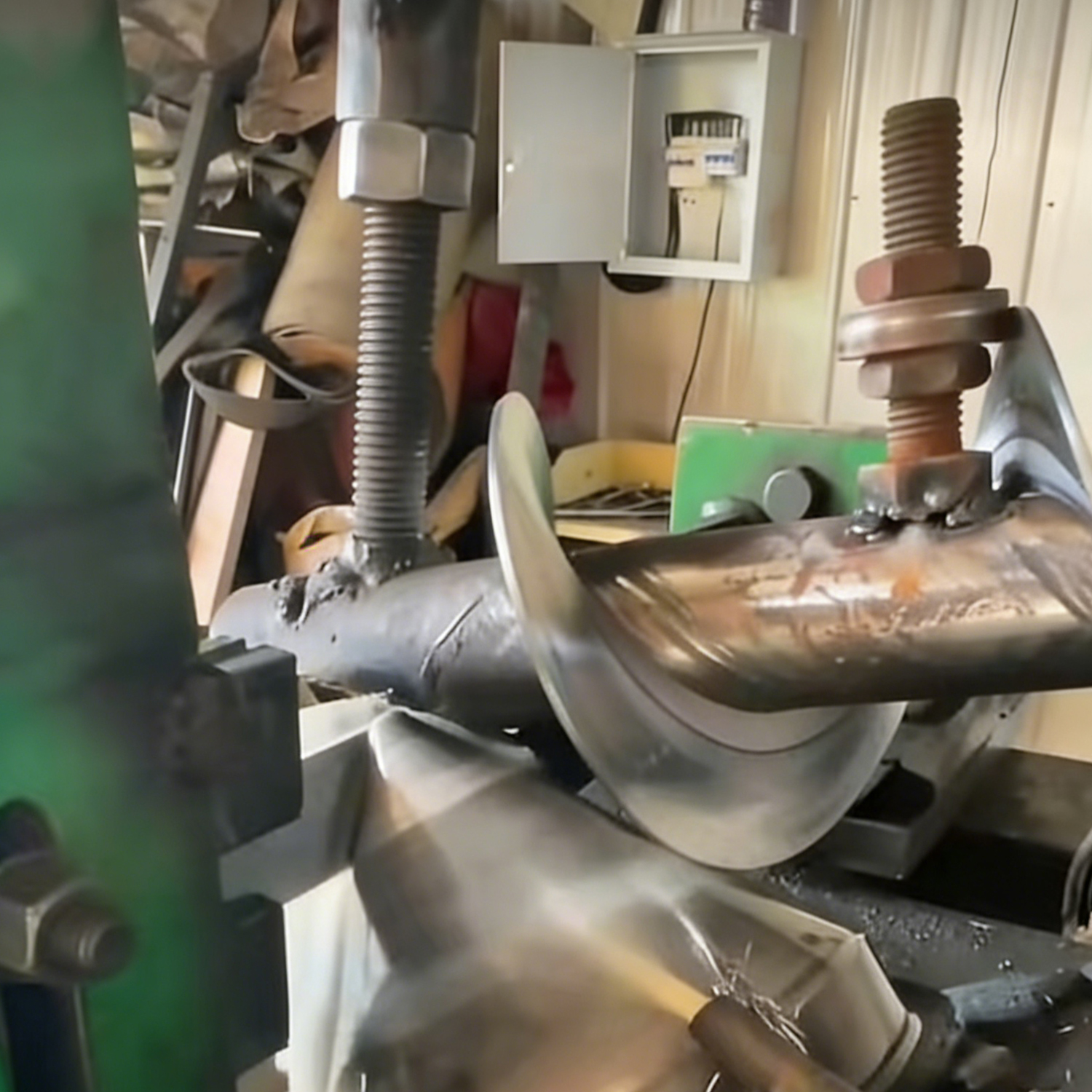
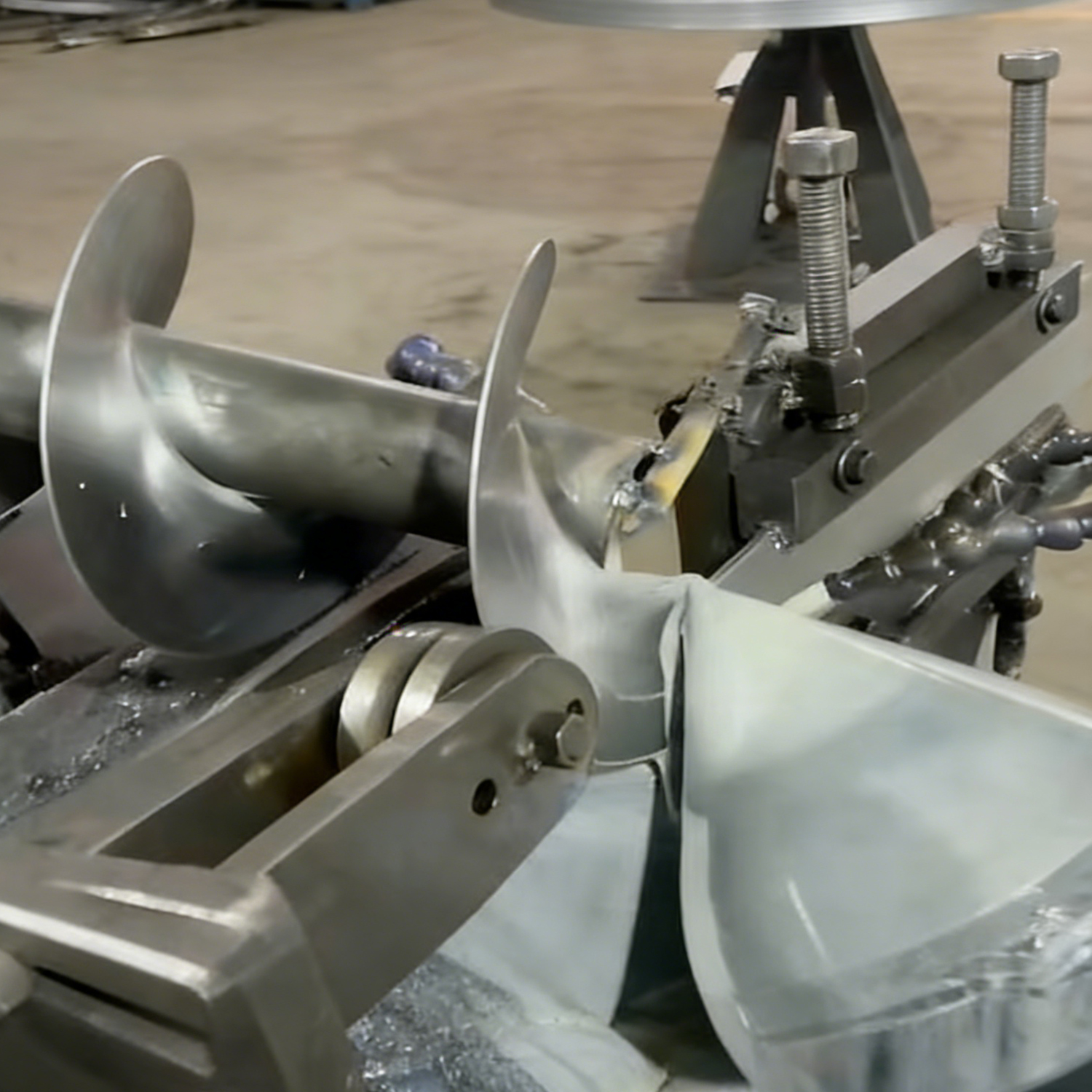
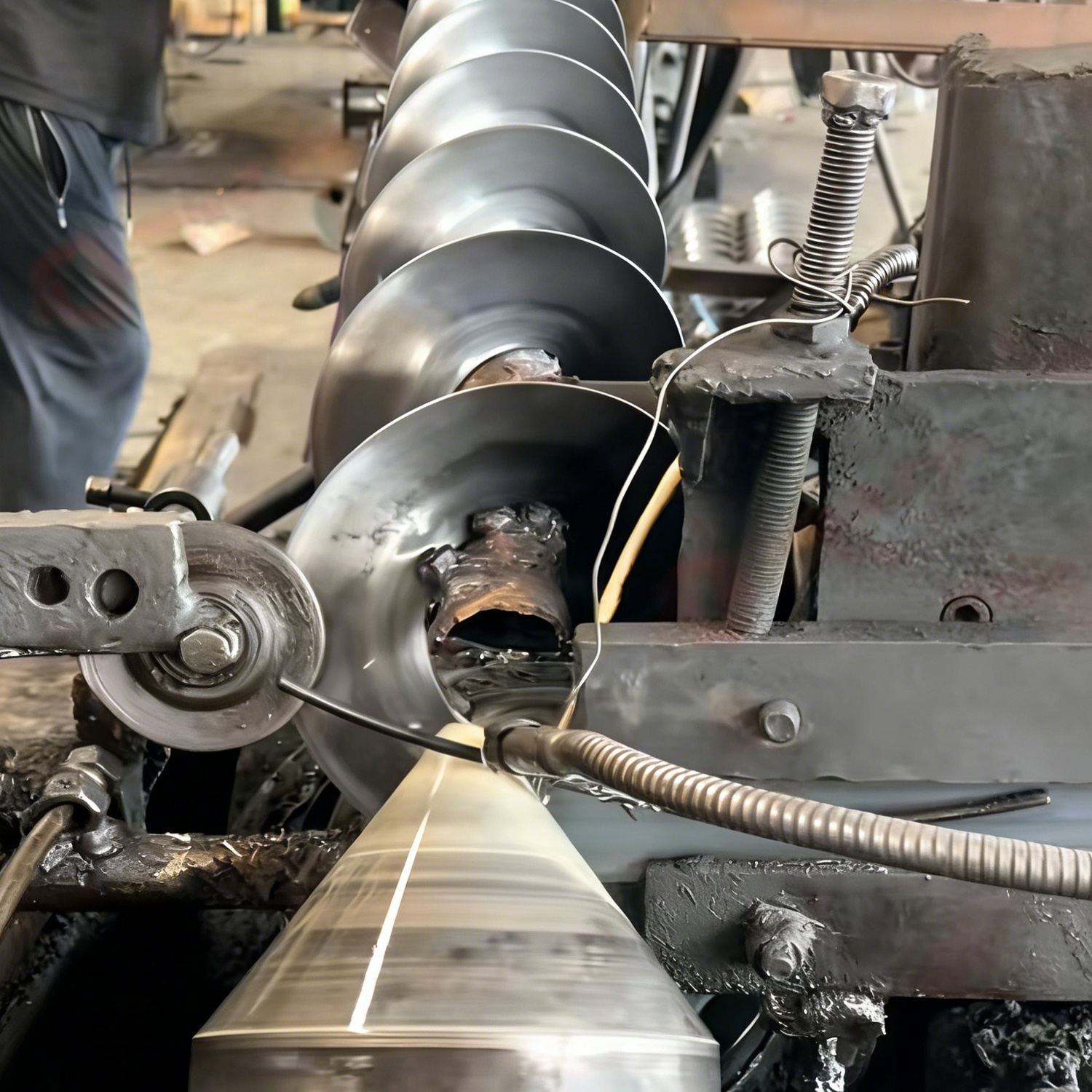
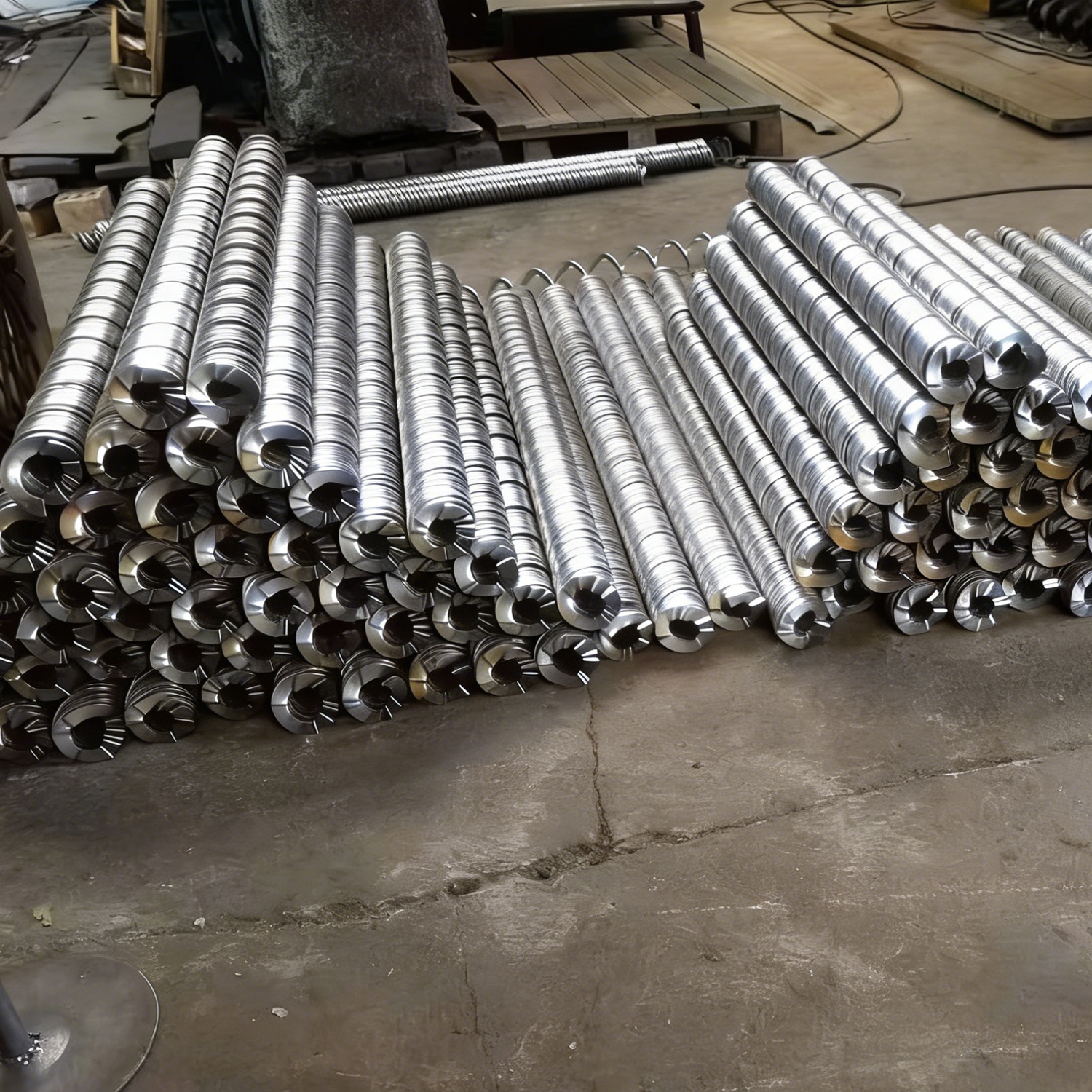
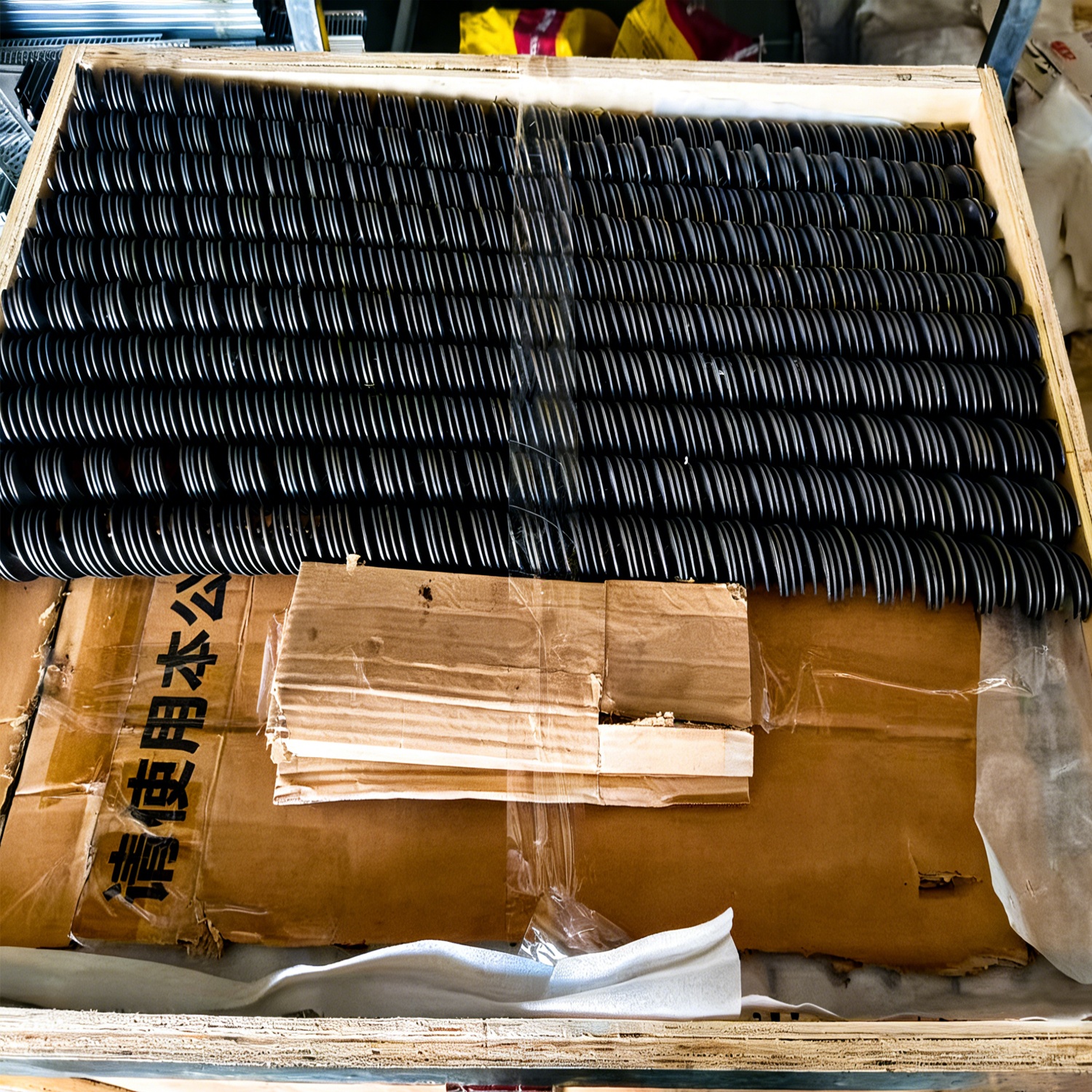
Attached Pictures and Video Showed Products which are actual and detailed sizes as below:
|
|||||
|
Length (mm)
|
Outer Diameter (mm)
|
Inner Diameter (mm)
|
Thickness (mm)
|
Pitch (mm)
|
Material
|
|
100
|
43
|
15
|
2
|
40
|
Stainless Steel 304
|
|
Attached Pictures and Video Showed Products which are actual and detailed sizes as below:
|
|||||
|
Length (mm)
|
Outer Diameter (mm)
|
Inner Diameter (mm)
|
Thickness (mm)
|
Pitch (mm)
|
Material
|
|
100
|
43
|
15
|
2
|
40
|
Stainless Steel 304
|
|
Common Standard Sizes (LS Series Conveyor Blades)
|
||||
|
Model
|
Outer Diameter (mm)
|
Inner Diameter (mm)
|
Thickness (mm)
|
Pitch (mm)
|
|
LS100
|
100
|
25–40
|
3–5
|
100
|
|
LS160
|
160
|
40–60
|
3.5–5
|
160
|
|
LS200
|
200
|
50–80
|
3.5–6
|
200
|
|
LS250
|
250
|
60–100
|
5–8
|
250
|
|
LS315
|
315
|
80–160
|
5–10
|
315
|
|
LS400
|
400
|
100–200
|
6–12
|
400
|
|
Material Specifications
|
|||
|
Material Type
|
Grade
|
Application
|
Features
|
|
Carbon Steel
|
Q235 (A3), Q345 (16Mn)
|
General conveying (grain, coal, sand)
|
Low cost, good weldability
|
|
Stainless Steel
|
304 (1.4301), 316 (1.4401)
|
Food, pharmaceutical, chemical industries
|
Corrosion resistance, hygiene compliance
|
|
Wear-Resistant Steel
|
NM360, NM400
|
Mining, aggregate conveying
|
High hardness (HB240+), extended service life
|
|
Manganese Steel
|
Mn13
|
Heavy-duty applications
|
Work-hardening, impact resistance
|
|
Manufacturing Process Specifications
|
|||
|
Process
|
Thickness Range
|
Maximum Outer Diameter
|
Advantages
|
|
Cold Rolling
|
2–8 mm
|
800 mm
|
Smooth surface, no welds, increased hardness
|
|
Continuous Twisting
|
3–20 mm
|
900 mm
|
High strength, suitable for thick blades
|
|
Equal-Thickness Forming
|
2–10 mm
|
500 mm
|
Uniform thickness (inner/outer edges), better rigidity
|